
Posted by Big Dawg Diesel on Nov 25th 2024
Common Gasoline Fuel Injectors Part 1 - Port Fuel Injectors (PFI)
Understanding Port Fuel Injectors: A Key Component in Engine Efficiency
Port Fuel Injectors (PFI) have been a pillar of internal combustion engine design for decades, playing a crucial role in fuel delivery systems. Their design, functionality, and benefits make them an essential topic for anyone interested in automotive mechanics or engine performance. In this blog, we’ll explore what port fuel injectors are, how they work, and why they remain relevant in the automotive world.
What Are Port Fuel Injectors?
Port fuel injectors are components of an engine’s fuel injection system that spray fuel into the intake manifold, just upstream of the intake valve. Unlike carburetors, which mix air and fuel mechanically, PFIs use electronic controls to precisely meter the fuel delivery. This innovation marked a significant leap forward in achieving better fuel economy, power output, and reduced emissions compared to older systems.
Each cylinder in an engine typically has its own injector, ensuring precise fuel delivery to the combustion chamber. This design allows for optimized combustion, which improves overall engine efficiency.
How Do Port Fuel Injectors Work?
The operation of a port fuel injector revolves around the following steps:
- Fuel Supply: Fuel is delivered from the tank to the injectors under pressure via a fuel pump and rail.
- Electronic Control: The Engine Control Unit (ECU) determines the exact amount of fuel needed based on input from various sensors, including throttle position, engine temperature, and oxygen levels in the exhaust.
- Injection Timing: The ECU sends electrical signals to the injectors, causing them to open and spray a fine mist of fuel into the intake manifold.
- Air-Fuel Mixture: The sprayed fuel mixes with air as it flows toward the intake valve. Once the valve opens, the mixture enters the combustion chamber for ignition.
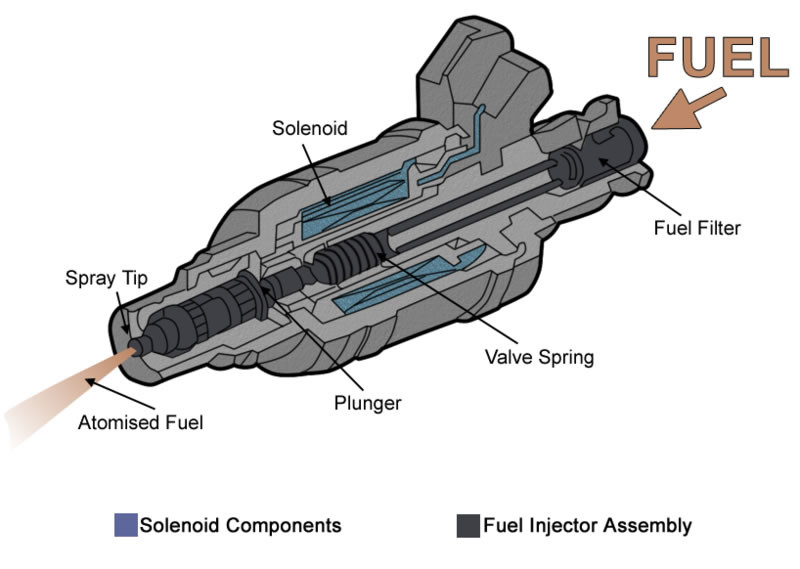
The precise control over fuel delivery ensures the engine operates efficiently, reducing waste and improving performance.
Benefits of Port Fuel Injectors
PFI systems offer several advantages that have made them a mainstay in many vehicles:
- Improved Fuel Efficiency: By delivering the exact amount of fuel needed for combustion, PFIs minimize waste, enhancing fuel economy.
- Enhanced Performance: Precise fuel atomization ensures better combustion, leading to smoother power delivery and better throttle response.
- Reduced Emissions: Optimized combustion lowers the production of harmful pollutants, making PFIs more environmentally friendly.
- Simpler Maintenance: Compared to direct fuel injection systems, PFIs are less prone to carbon buildup on intake valves, reducing the need for frequent cleaning.
Applications and Evolution
While port fuel injectors are widely used in both domestic and foreign vehicles, they are increasingly being complemented or replaced by direct injection systems in modern engines. However, PFIs remain relevant, especially in applications where simplicity, cost-effectiveness, and reliability are priorities.
Notably, some manufacturers now use dual fuel injection systems that combine PFI with direct injection to leverage the strengths of both technologies. This hybrid approach optimizes performance and mitigates carbon buildup issues commonly associated with direct injection.
Conclusion
Port fuel injectors are a testament to the ingenuity of automotive engineering. They’ve transformed how fuel is delivered to engines, offering a balance of performance, efficiency, and environmental benefits. Whether you’re a car enthusiast, a mechanic, or simply curious about how engines work, understanding PFIs provides valuable insights into the evolution of automotive technology.
By continuing to innovate and adapt, port fuel injectors prove their enduring relevance in the quest for better engine performance and efficiency.
Port Fuel Injector (PFI) FAQs
Q. What are the main differences between port fuel injection (PFI) and direct fuel injection (DI)?
A. Port fuel injection sprays fuel into the intake manifold before it enters the combustion chamber, while direct injection delivers fuel directly into the cylinder. PFI systems are generally more cost-effective, easier to maintain, and less susceptible to intake valve carbon buildup, whereas direct injection can offer greater power and fuel efficiency under certain operating conditions.
Q. What are the common signs of a failing port fuel injector?
A. Symptoms of a faulty port fuel injector can include rough idling, poor fuel economy, engine misfires, hard starting, hesitation during acceleration, and an illuminated check engine light. Addressing injector problems early can help prevent further engine performance issues.
Q. Do port fuel injectors require regular maintenance?
A. Yes. While PFI systems are known for their reliability, periodic fuel system cleaning, the use of quality fuel, and replacing clogged fuel filters can help maintain injector performance and extend the life of the fuel system.
Q. Why do some modern engines use both port fuel injection and direct injection?
A. Many manufacturers utilize dual-injection systems to combine the benefits of both technologies. Port injectors help keep intake valves cleaner and improve low-load efficiency, while direct injection can enhance power output and fuel economy under higher engine loads.
Q. Are port fuel injectors still used in modern vehicles?
A. Absolutely. Although direct injection has become more common, many modern vehicles still use port fuel injection either as a standalone system or as part of a dual-injection setup. PFI remains popular because of its proven reliability, lower maintenance requirements, and cost-effectiveness.